

Who We Are

Pilina Olowalu is an information hub created to recognize the individual and collective efforts taking place to mālama this incredibly special area! Heeding the revered Ōlelo Noʻeau #531, He aliʻi ka ʻāina; he kauwā ke kanaka (The land is chief; man is its servant), these efforts to mālama ‘āina will help to ensure the land is in abundance, so resources can continually help current and future generations thrive. This cycle of care never ends.

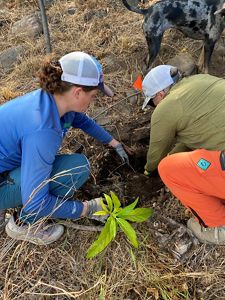

Kipuka Olowalu: Planting native species with Kipuka Olowalu. © Pilina Olowalu
Olowalu Sunset: Pilina Olowalu acknowledges the essential connection between mauka-makai, people, and place in the Olowalu-Ukumehame-Pāpalaua area. © Drew Sulock
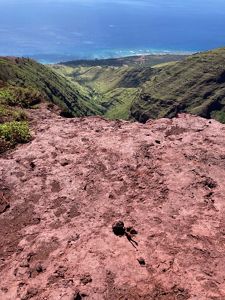
Papalaua Ledge: View from Pāpalaua Ledge overlooking the Ukumehame coastline. © Makale‘a Ane
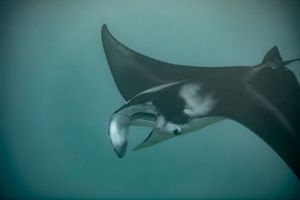
Manta Ray: Olowalu is home to the largest population of manta rays in Hawai‘i. © Drew Sulock
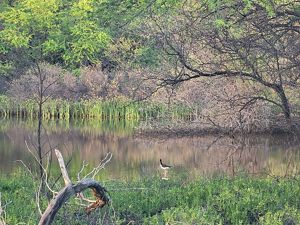
Ukumehame Wetlands: An endemic ae‘o perched on a rock at Ukumehame wetlands. © Chris Brosius
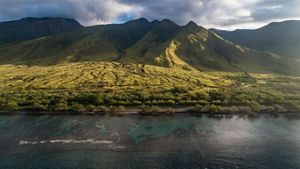
Olowalu-Ukumehame: A rare view of the Olowalu-Ukumehame mountain-scape green with growth following winter rains. © Drew Sulock
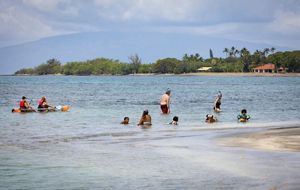
Olowalu Recreation: Olowalu is a popular recreation area for families, surfers, and other types of water sports. © Drew Sulock
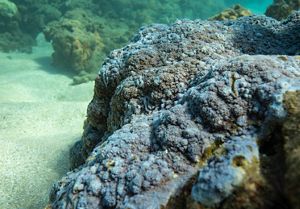
Olowalu Coral: Blue rice coral is endemic to Hawai‘i. © Drew Sulok
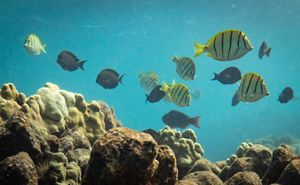
Underwater: Olowalu corals provide critical habitat for reef fish. © Drew Sulock
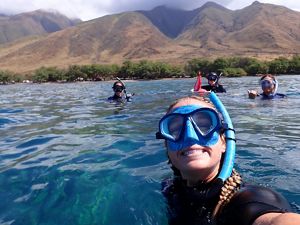
Olowalu Snorkel Research: Many eyes are on the reef at Olowalu, monitoring the status of coral, fish, water quality, and more. © Jill Wirt

Pilina Olowalu shares the many mauka-makai efforts being taken to protect the Olowalu reef and to mālama this special area!
How We Work
This website and the efforts related to Pilina Olowalu are guided by the Ka‘ao Framework articulated by Dr. Taupōuri Tangarō, recognizing that stewardship, communication, and community work unfold like a story. The Kaʻao Framework reminds us that meaningful action is not linear or transactional. It is relational, cyclical, and grounded in memory. These commitments guide how outreach is shaped, how knowledge is shared, and how relationships are carried forward in Olowalu–Ukumehame.
-
The hua of this effort is the recognition that Olowalu is not simply a restoration site. It is a living ahupuaʻa carrying memory, responsibility, and unfinished conversations between land, reef, science, and community. The hua reminds us that intention shapes outcome. Science, outreach, and restoration must remain accountable to the people and the place that generated the seed. This seed carries the intention to renew trust, protect ʻike, and strengthen the relationship between Olowalu and the people who belong to it. Every communication begins by remembering where the work comes from.
We commit to:
- approaching engagement and research with protocol and respect
- asking before collecting knowledge or data
- listening before explaining scientific conclusions
- recognizing community authority over place based knowledge
- ensuring outreach supports understanding rather than persuasion
- designing research that benefits the community directly
-
Haʻalele is the preparation stage before stepping fully into huakaʻi, the outward journey into community. It marks the shift from intention to readiness and from planning to ethical entry. This phase ensures that outreach, research, and engagement are grounded before moving into active presence. This phase affirms that preparation is stewardship. How we prepare determines how we will be received when we step into huakaʻi.
We commit to:
- approaching engagement and research with protocol and respect
- asking before collecting knowledge or data
- listening before explaining scientific conclusions
- recognizing community authority over place based knowledge
- ensuring outreach supports understanding rather than persuasion
- designing research that benefits the community directly
-
Huakaʻi represents the ongoing journey of relationship-building, learning, and adaptation. This is where communication becomes practice. Huakaʻi is the long middle of the story where work becomes lived practice. It is a braided movement across land, reef, research, and community. This phase affirms that the journey is measured not only by ecological indicators, but by strengthened relationships and shared knowledge.
We commit to:
- sustained engagement rather than short term presence
- adaptive research shaped by community feedback
- sharing power in decision making spaces
- honoring cultural knowledge alongside scientific methodology
- strengthening youth leadership in science and stewardship
- making research findings accessible and reciprocal
- using outreach to build understanding rather than authority
-
Hoʻina is what comes back to the people. The return is not a report. It is usable knowledge, strengthened leadership, and visible progress that the community can act on. This phase affirms that stewardship includes returning value, not just gathering information.
We commit to:
- returning knowledge in forms that serve the community
- ensuring transparency in research progress and limitations
- inviting correction, dialogue, and shared interpretation
- honoring Indigenous data sovereignty
- crediting knowledge holders and contributors
- strengthening community ownership of outcomes
-
Haʻina carries forward responsibility beyond the project timeline. This final phase reminds us that the work becomes part of a longer story we are entrusted to continue.
We commit to:
- documenting lessons for future stewards and researchers
- uplifting community leadership in public narrative
- honoring kūpuna voices
- ensuring continuity beyond funding cycles
- acting as good ancestors for those who follow
- sustaining ethical science grounded in relationship
Together, the kaʻao framework ensures that Pilina Olowalu is not simply about outreach tactics. It becomes a living story of continuity, responsibility, and shared future, one that remembers its origins, travels with care, returns knowledge to its people, and leaves meaning for those who follow. This is where you can start the next hua and initiate the process all over again based on your reflection and needs of the next project.
Goals & Objectives
- Improve land-based management to support a healthy and productive Olowalu reef.
- Strengthen community awareness and support for Olowalu watershed restoration.
- Engage local and underserved communities in hands-on restoration and stewardship activities.
- Integrate Hawaiian cultural knowledge and practices into communications and outreach.
- Provide transparency and accountability through regular updates and data sharing.
- Amplify impact through media and partnerships at local, state, and national levels.
The kaʻao framework reminds us that meaningful action is not linear or transactional. It is relational, cyclical, and grounded in memory.