

Partners and Projects

The numerous partnerships and projects taking place in Olowalu-Ukumehame are part of the Pilina Olowalu website to share information and resources for the benefit of those who live, work, play in, and care for this area.
Kipuka Olowalu
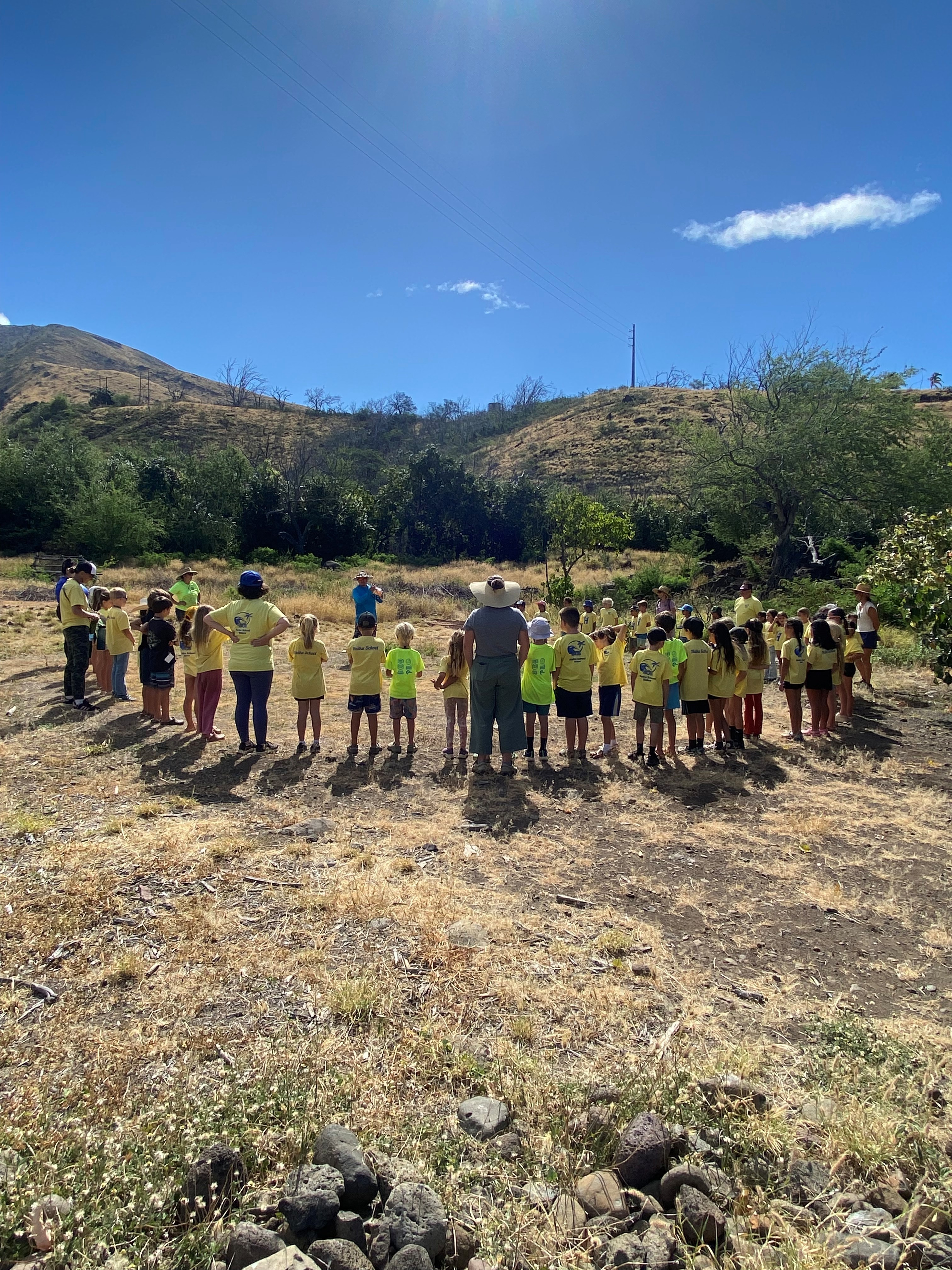
Kipuka Olowalu is an organization seeking to preserve the Olowalu Valley, a Native Hawaiian cultural site located on the island of Maui. Members of Kipuka Olowalu have worked to restore the land through projects such as lo’i restoration, native plantings, invasive species removal, and re-establishing proper cultural protocols for all who enter. Kipuka Olowalu also works to preserve the biodiversity and beauty of Olowalu Reef by replanting native species along the Olowalu stream and using sediment mitigation techniques to reduce reef stressors and help to maintain the integrity of the nearshore marine ecosystem.
Kipuka Olowalu seeks to build community resilience through education, and is open for volunteers, schools, and other educational organizations to come and learn about the environment, Hawaiian culture, and traditional ʻāina stewardship practices.
Volunteer with Kipuka Olowalu - Weekly Volunteer Days - Wednesday & Thursday, 7:30AM-11:30AM
Marine Debris Rapid Response
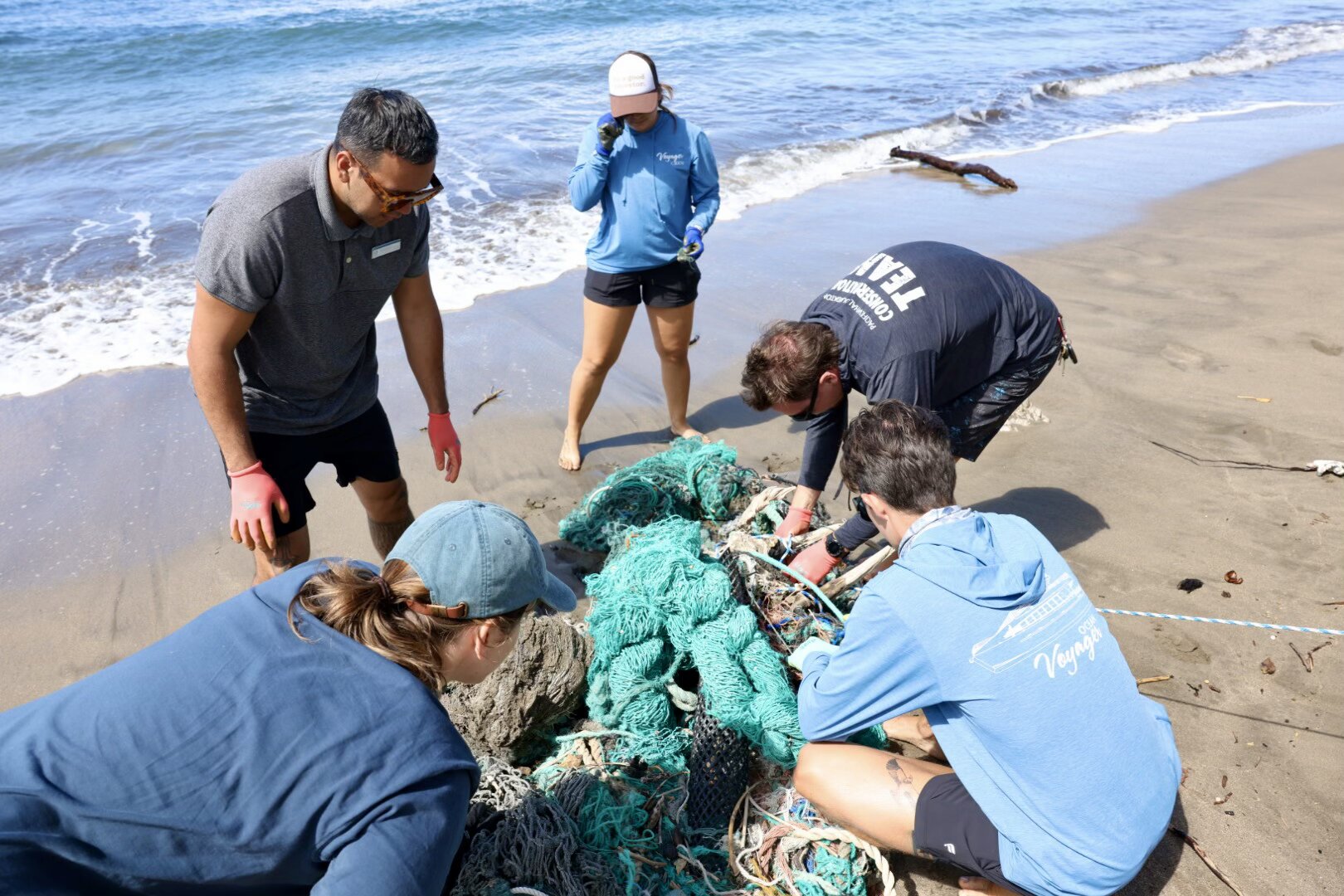
In partnership with the State of Hawai‘i Department of Land and Natural Resources (DLNR) - Division of Aquatic Resources, Pacific Whale Foundation (PWF) serves as the official Marine Debris Rapid Response organization on Maui. This critical program responds to urgent reports of large-scale marine debris, such as derelict fishing gear and ghost nets, that pose a significant threat to marine wildlife and coastal ecosystems. Through field-based removal efforts, trained staff eliminate harmful debris from nearshore and offshore areas, reducing the risk of entanglement for whales, dolphins, sea turtles, and endangered Hawaiian Monk Seals. The program contributes to the health and resilience of Maui’s coastal waters while supporting broader conservation goals through data collection, interagency coordination, and public engagement. Marine Debris Rapid Response complements Pacific Whale Foundation’s long-standing work in marine conservation by addressing the immediate hazards of plastic and gear pollution while promoting sustainable practices in the fishing and tourism industries.
People can get involved by reporting large scale marine debris at 833-4-da-nets and by signing up to help with response efforts. Volunteers can get on the text notification list and specify a desire to help when effort is needed in the Olowalu area!
Mālama Pono
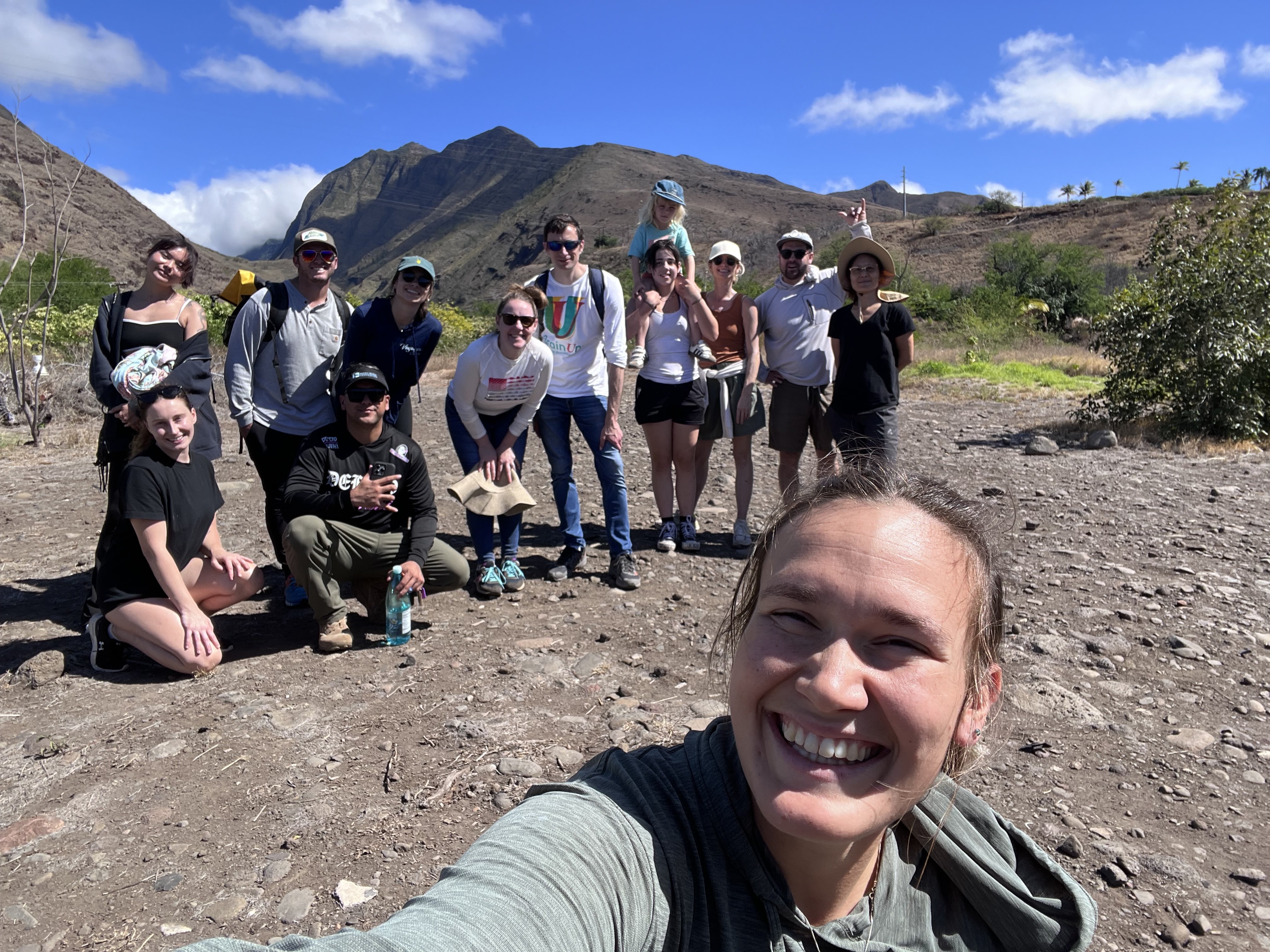
Mālama Pono is a community-focused volunteer initiative led by Pacific Whale Foundation that invites residents, visitors, and staff to take part in meaningful conservation activities across Maui. Rooted in the Hawaiian values of mālama (to care for) and pono (to act with righteousness), the program engages participants in hands-on efforts such as native habitat restoration, beach cleanups, community garden support, and cultural site stewardship in collaboration with trusted local partners including Kīpuka Olowalu and DLNR-Division of Forestry and Wildlife. Through this work, Mālama Pono fosters environmental stewardship, cross-cultural learning, and a shared sense of kuleana (responsibility) for the island’s natural and cultural resources. Since its launch, the program has mobilized hundreds of volunteers contributing over 2,200 hours of service toward building a more sustainable and connected Maui.
PWF’s mission is to protect the ocean through science and advocacy and inspiring environmental stewardship. Founded in 1980 with a vision of protecting whales from extinction the organization carries out research, education and conservation initiatives addressing major threats to marine life. PWF is located in Māʻalaea.
Hui O Ka Wai Ola
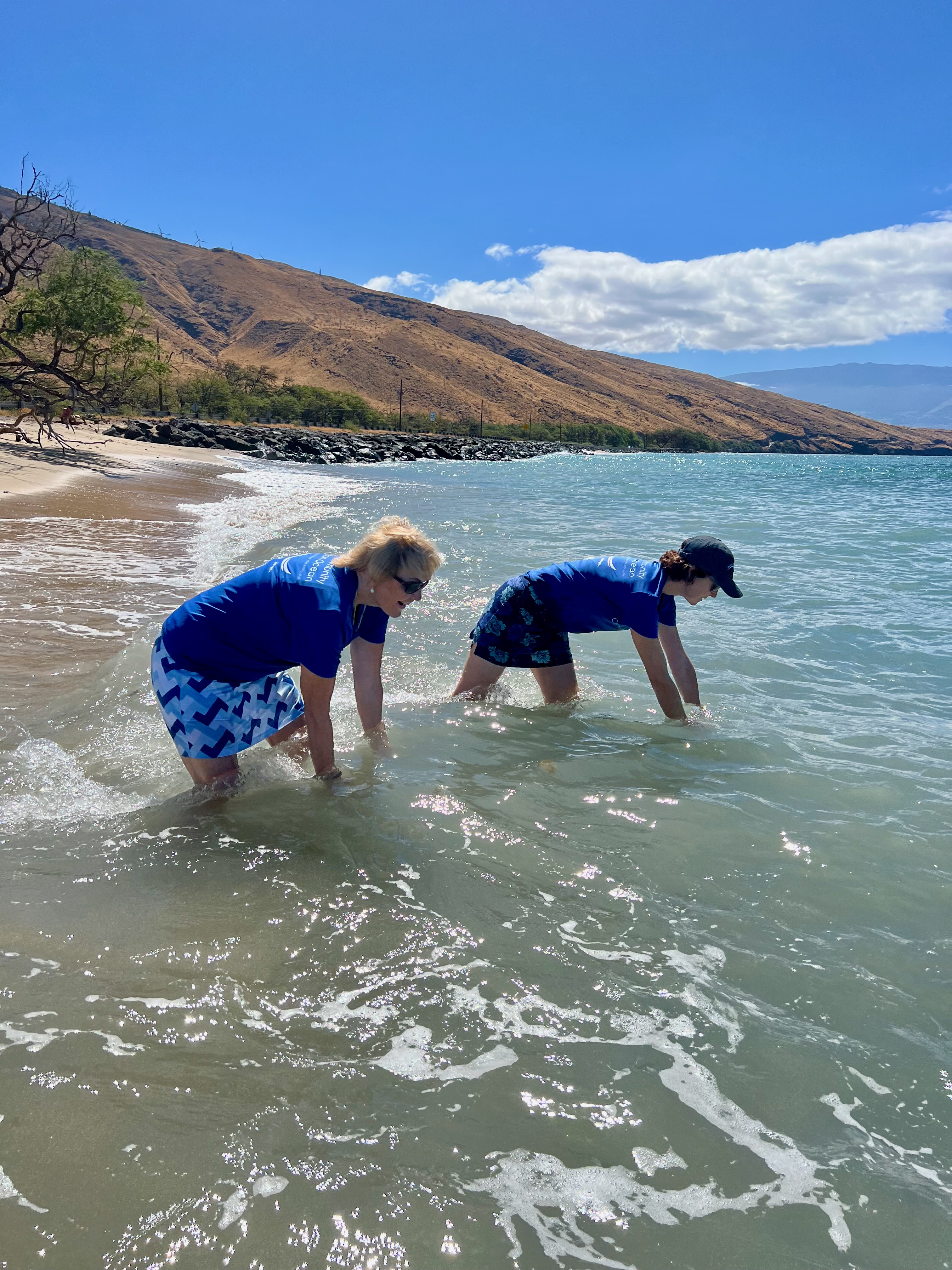
Hui O Ka Wai Ola: Maui’s Clean Ocean Team is a group of water quality champions dedicated to measuring and sharing the status of Maui Nui’s nearshore waters. Comprised of community volunteers, scientists, supporters, and partner groups, we collect “slow” data to reveal long-term trends, hotspots, and sources of pollution. Our data are made available every three months on our website, and we publish a report of our findings every two years.
Hui O Ka Wai Ola looks for sediments, nutrients, and other pollutants from land-based sources that might be having a negative impact on water quality. Every three weeks in West and South Maui, our staff and volunteers collect data for ocean salinity, pH, temperature, total nitrogen, nitrate-nitrite nitrogen, ammonium, total phosphorus, phosphate, silicates, dissolved oxygen (DO) and turbidity. Some water samples are immediately tested at mobile labs, while others are processed for testing at a research lab.
We have four sites in the Olowalu-Ukumehame-Papalaua area. If you’re interested in joining a West Maui team that monitors these sites or downloading our report to learn more about this area, please visit HuiOKaWaiOla.com.
Super Reefs
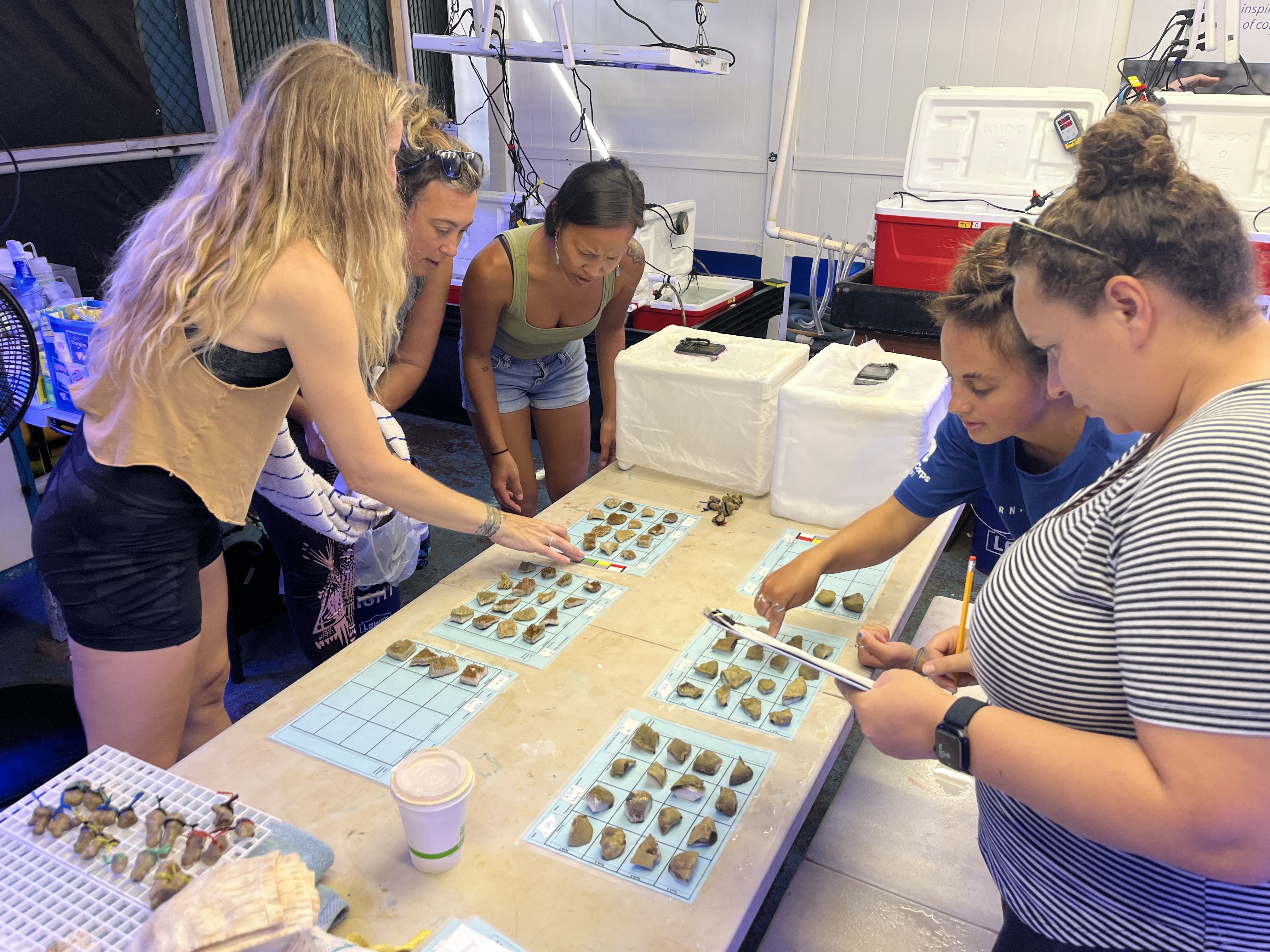
Super Reefs is a global collaboration between The Nature Conservancy, Woods Hole Oceanographic Institution, and Stanford’s Hopkins Marine Station. The project aims to boost coral reef resilience by identifying and stewarding “super reefs” — coral communities that can survive heat stress and support nearby reefs with resilient larvae. Our Maui site is the iconic Olowalu reef. Using a science-based approach, we predict potential super reefs, prove their resilience through thermal testing, and protect them through local partnerships and conservation efforts.
Olowalu: The Road to Resilience
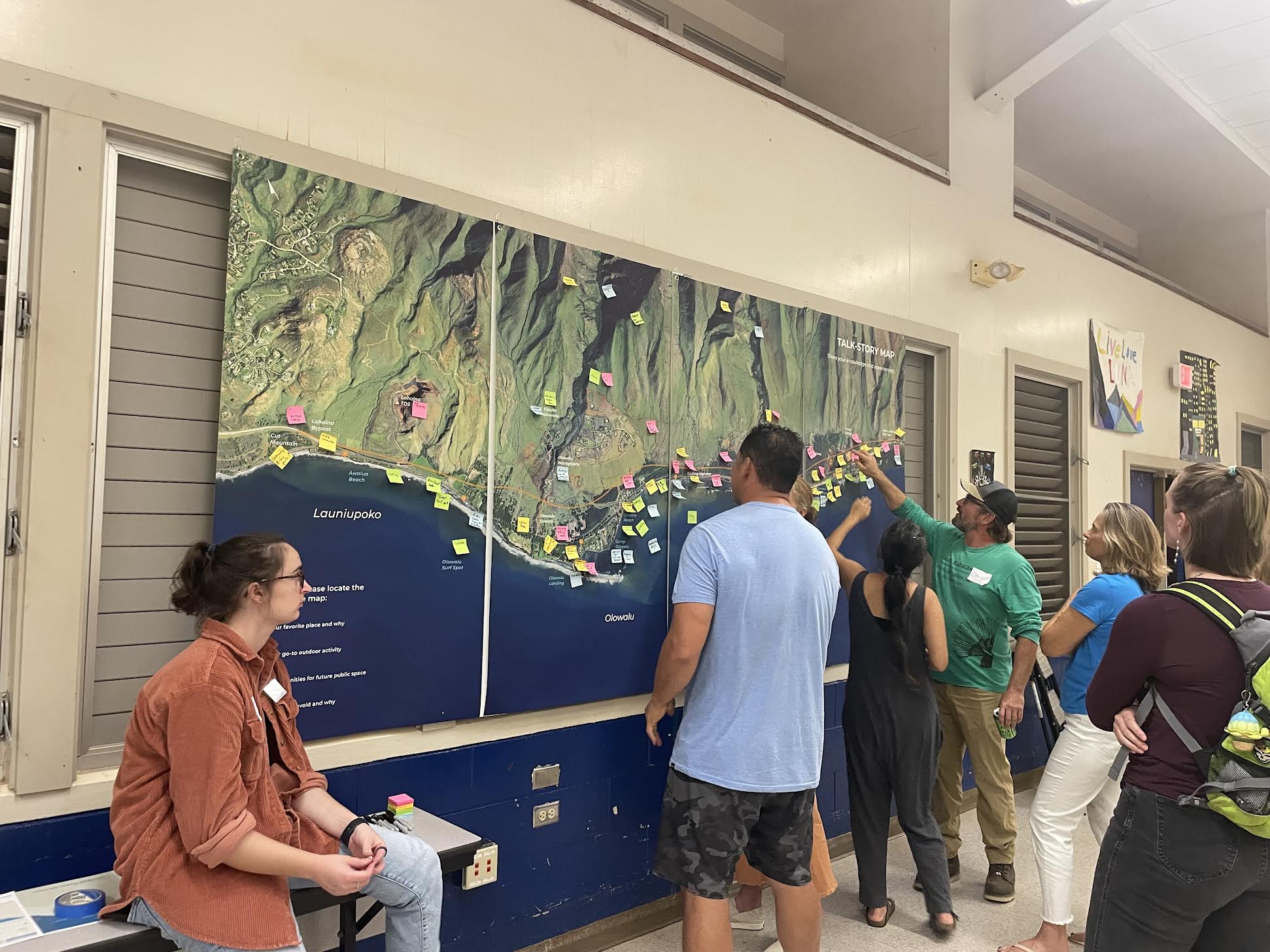
The Honoapiʻilani Highway realignment provides a unique opportunity to restore the area’s coastal zone by incorporating park spaces, traditional biocultural practices, and nature-based solutions, such as living shoreline systems, via a participatory planning and co-design process that re-envisions the coastal corridor. The Nature Conservancy (TNC) and The University of Hawaiʻi Community Design Center engaged West Maui landowners, managers, and the community in a participatory process to identify biocultural practices such as wetland taro farming and other nature-based solutions that support community goals and priorities for 1.1 ft. (~2045) and 3.2 ft. (~2075) sea level rise scenarios. The input is guiding conceptual designs for three catalytic projects in the coastal area, which stretches approximately 6 miles from Ukumehame to Launiupoko.
The Nature Conservancy is a global non-profit organization dedicated to conserving the lands and waters on which all life depends. Informed by science and guided by traditional values and practices, we apply innovative, nature-based solutions to our world’s toughest challenges so that nature and people can thrive. TNC has forged partnerships to care for 13 preserves and 18 managed areas in Hawai‘i and Palmyra Atoll, working with government, private parties and communities to protect Hawai‘i’s and Palmyra’s forests and coral reefs for their ecological values and for the many benefits they provide to people.
Mauna Kahālāwai Watershed Partnership
With a 50,000-acre management area encompassing Mauna Kahālāwai, our mission is to protect and preserve Maui’s native ecosystems and freshwater supply and prevent further degradation through collaborative forest management. We protect the unique native species of Mauna Kahālāwai, natural and cultural treasures that exist nowhere else in the world. We preserve forested watersheds, native ecosystems, and critical natural resources that generate most of Maui's freshwater supply. Finally, we educate our community. Do you know where your water comes from? The more you know, the more you can help!
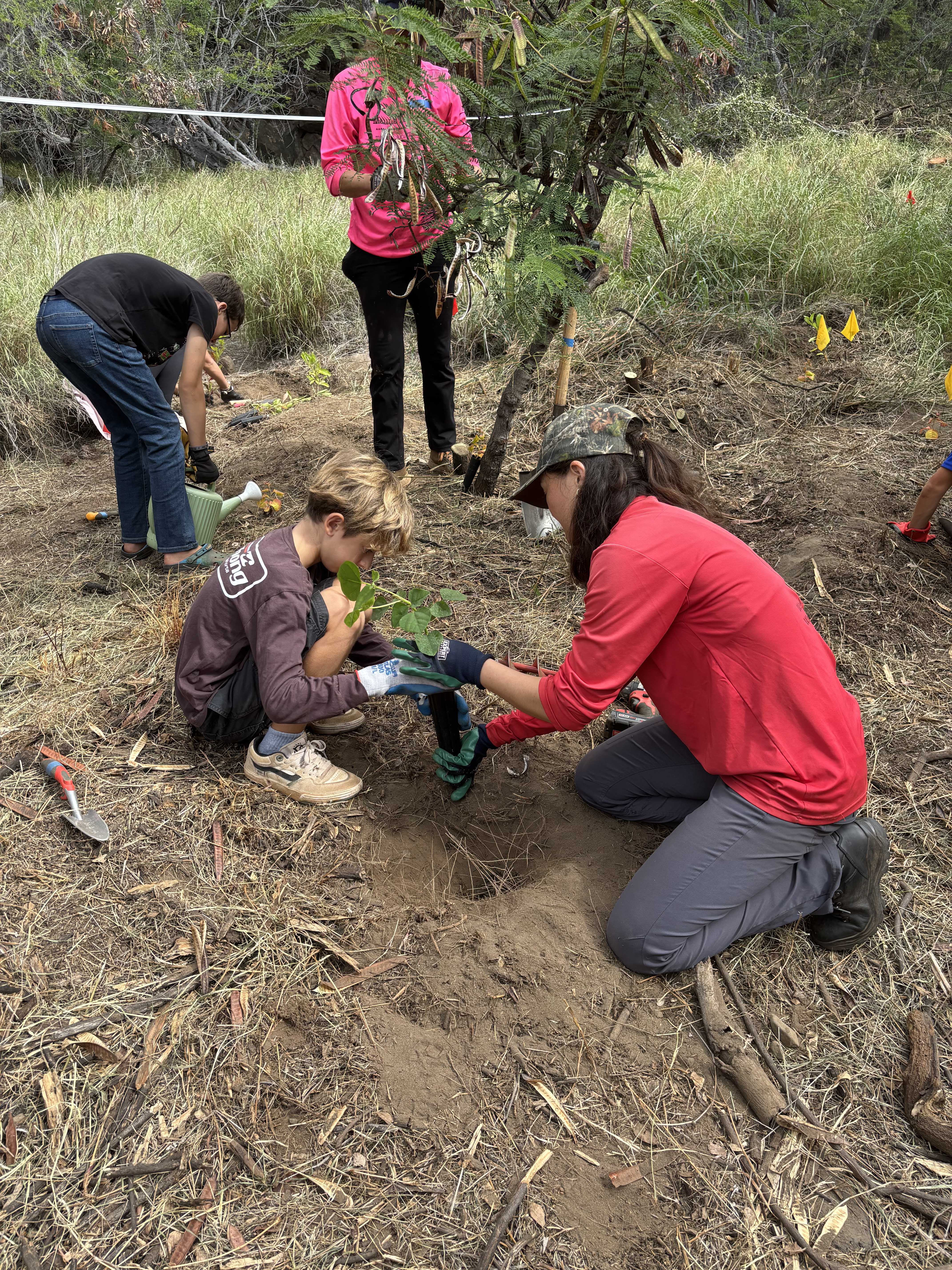
Mauna Kahālāwai Watershed Partnership hosts monthly volunteer service trips at our Olowalu Valley restoration site. Our goal is not only to restore the landscape, but also to create experiences that nurture a deeper relationship with ʻāina, raise awareness about the current threats to our native ecosystems, and inspire the community to take ownership and actively participate in protecting our natural resources.
Volunteer with Mauna Kahālāwai Watershed Partnership.
Reach out to volunteer@maunakahalawai.org with volunteer inquiries.
Hawaiʻi Division of Forestry and Wildlife
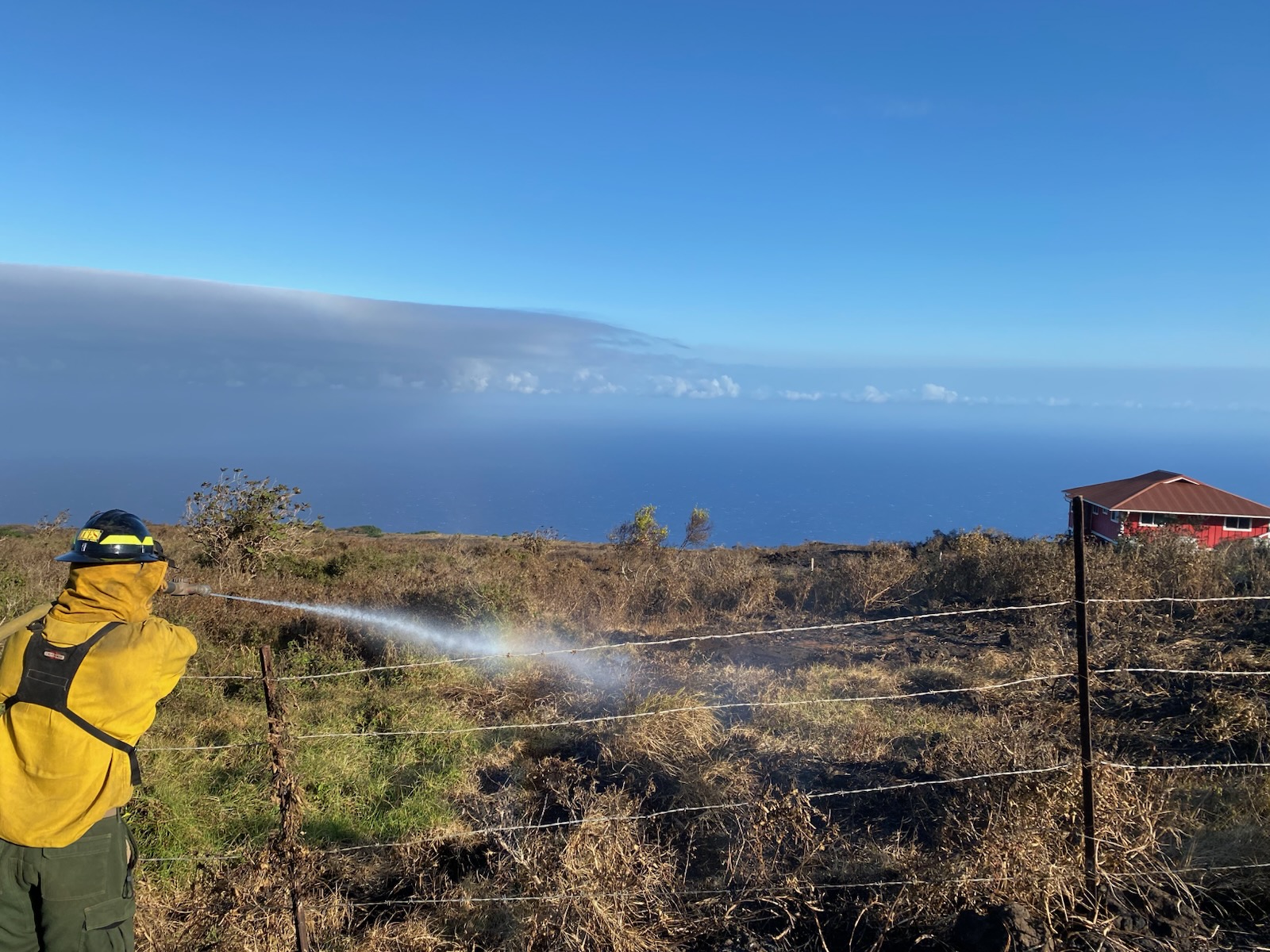
Hawai'i Division of Forestry and Wildlife strives to restore native landscapes and species that provide a suite of services from generating and storing freshwater into soils and water tables, keeping soils and sediments out of the ocean and off of food-producing reefs, to sequestering carbon and sustaining cultural resources. We control feral grazing animals, protect seabirds, rare invertebrates, fight and prevent fires and replant natives, restoring native ecosystems. Everything done on the land affects the ocean and seabirds carry vital nutrients ashore helping restore native ecosystems. Our work is part of the circle of the 'āina.
The Hawai'i Division of Forestry and Wildlife (DOFAW) is part of the Hawaiʻi Department of Land and Natural Resources (DLNR). Our mission is to protect, manage, and restore natural and cultural resources in collaboration with the people of Hawaiʻi. We envision a future with thriving native ecosystems and opportunities for the people of Hawaiʻi to engage with nature. E mālama kākou i ka ʻāina!
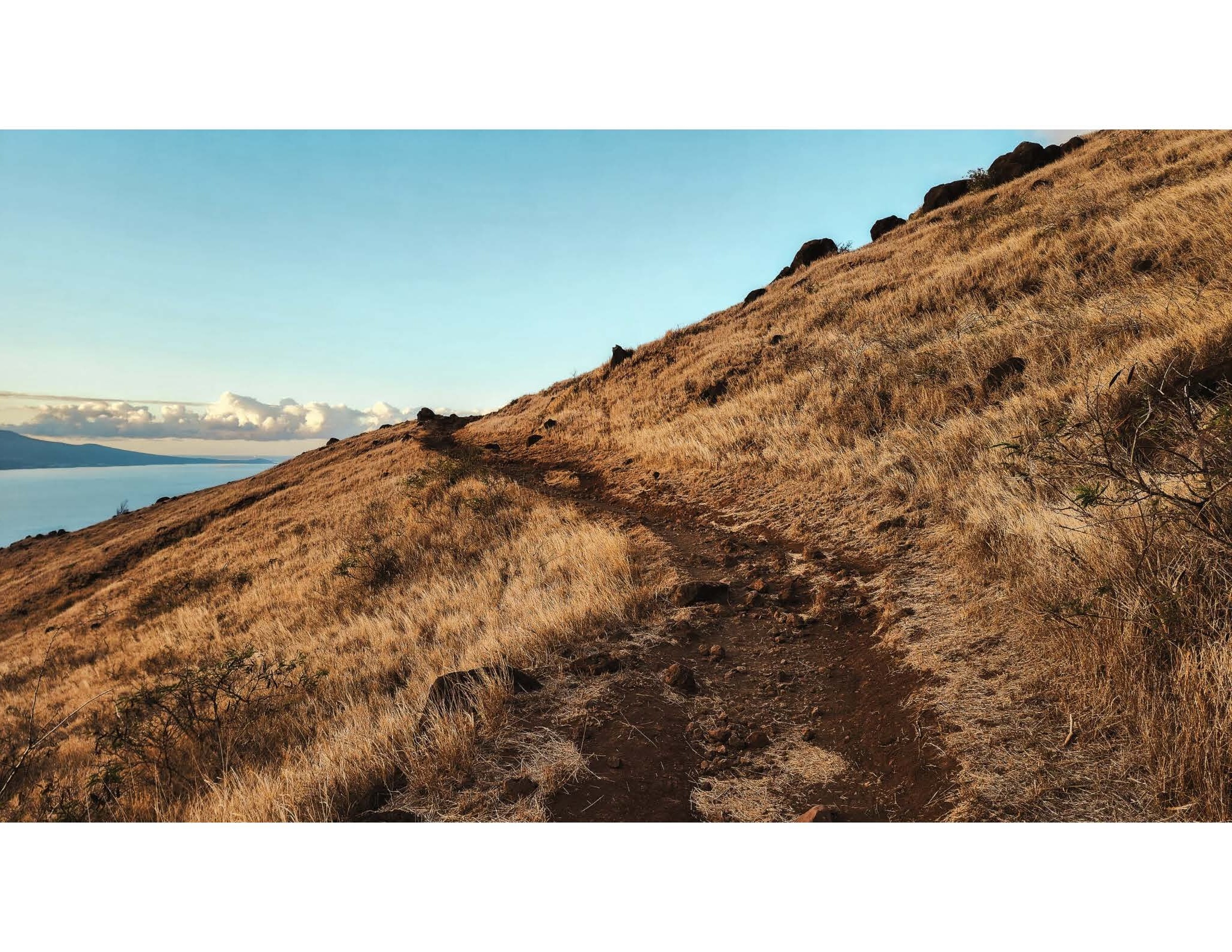
Lahaina Pali Trail
The Lahaina Pali Trail has been restored and is maintained with assistance by the Nā Ala Hele Statewide Trail and Access program, State Division of Forestry and Wildlife (DOFAW). This program manages numerous trails and provides important public services including recreational opportunities, experiences related to cultural history and historic trails, and economic opportunities where possible for commercial trail vendors. Nā Ala Hele trails are also important for access to natural areas for management, research, hunting, and wildfire response.
Visit dlnr.hawaii.gov/volunteer/ to explore available volunteer opportunities.
Limu Monitoring
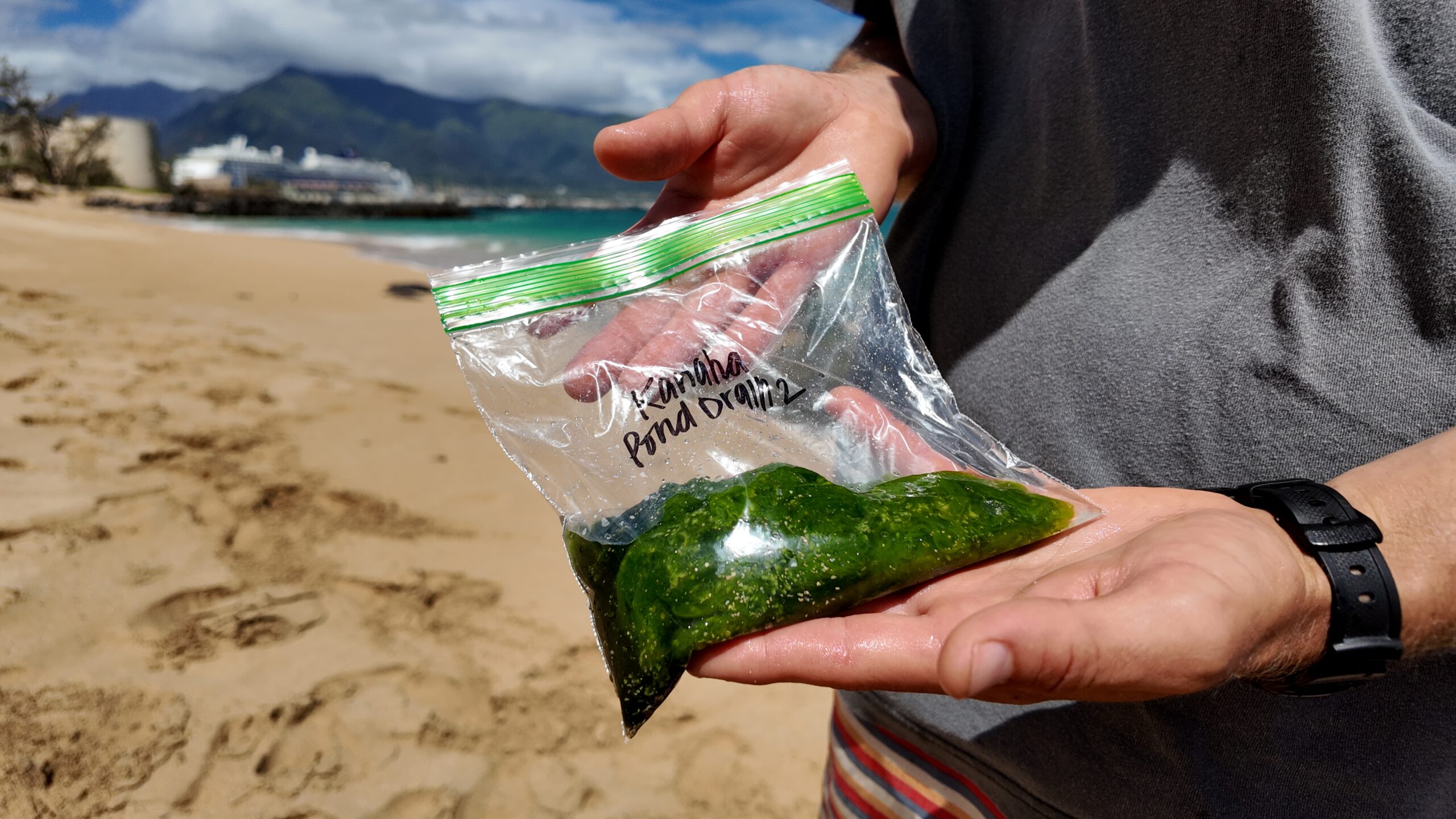
The Maui Nui Marine Resource Council (MNMRC) conducts ongoing limu monitoring across Maui, including four sites in the Olowalu area, to better understand nutrient dynamics and nearshore water quality. By analyzing nitrogen isotopes in limu tissue, this work helps identify sources of land-based pollution, including wastewater and runoff. The data contributes to establishing science-based water quality targets and supports management decisions aimed at reducing nutrient inputs to reefs. This effort complements broader watershed-to-reef initiatives by linking mauka activities to measurable impacts in the nearshore environment.
MNMRC is a nonprofit organization dedicated to protecting and restoring Maui Nui’s nearshore marine ecosystems through science, community engagement, and collaborative action. Our work focuses on understanding and reducing land-based sources of pollution, strengthening reef resilience, and supporting data-driven management across Maui, Molokaʻi, and Lānaʻi. We operate programs that span from mauka to makai, including community-based water quality monitoring, reef assessments, and watershed-focused restoration efforts. By combining rigorous data collection with strong partnerships and community involvement, MNMRC works to ensure clean ocean water, healthy coral reefs, and abundant marine life for future generations.
Sign up for our newsletter or reach out to outreach@mauireefs.org to receive notifications of volunteer events.
Aqualink Buoy Monitoring
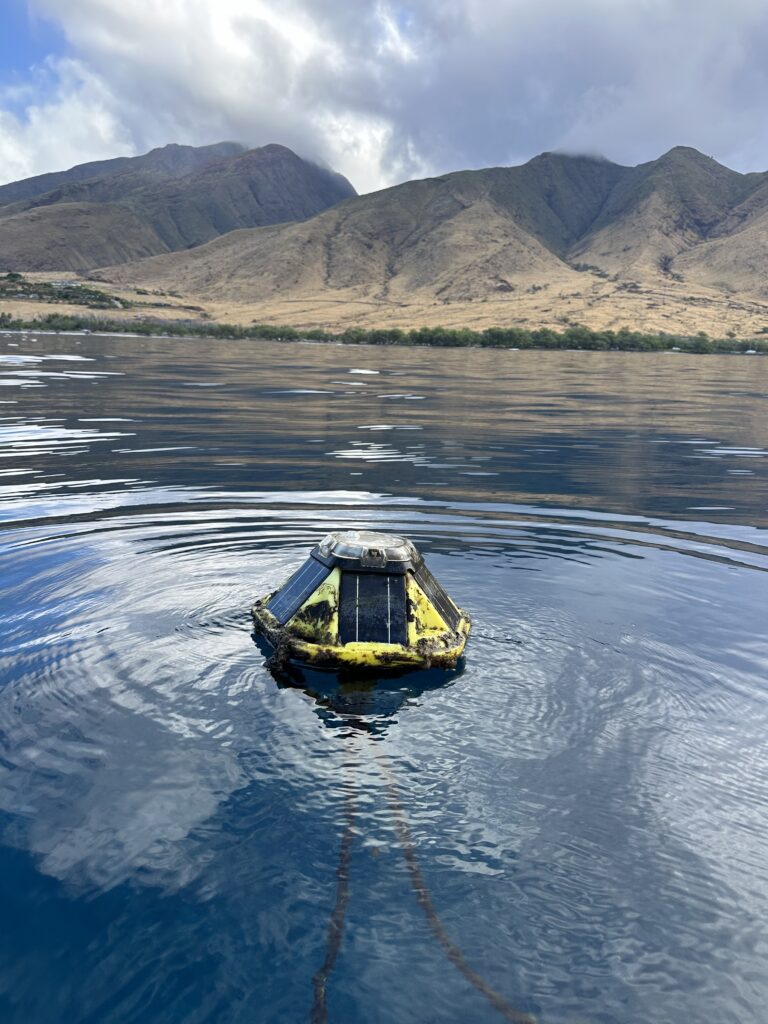
The Maui Nui Marine Resource Council (MNMRC) manages an Aqualink smart buoy offshore of Olowalu that provides continuous, real-time oceanographic data directly from the reef environment. The system measures both surface and subsurface temperatures, along with wind and wave conditions, helping track heat stress that can lead to coral bleaching. This real-time dataset improves understanding of how conditions at the reef differ from satellite observations and contributes to broader efforts like NOAA Coral Reef Watch model refinement. By making these data publicly accessible via Aqualink and Backyard Buoys mobile app, the buoy also supports local management, community awareness, and safer ocean use, while strengthening Maui’s contribution to a global coral reef monitoring network. MNMRC combines rigorous data collection with strong partnerships and community involvement to ensure clean ocean water, healthy coral reefs, and abundant marine life for future generations.
Blue Water Task Force
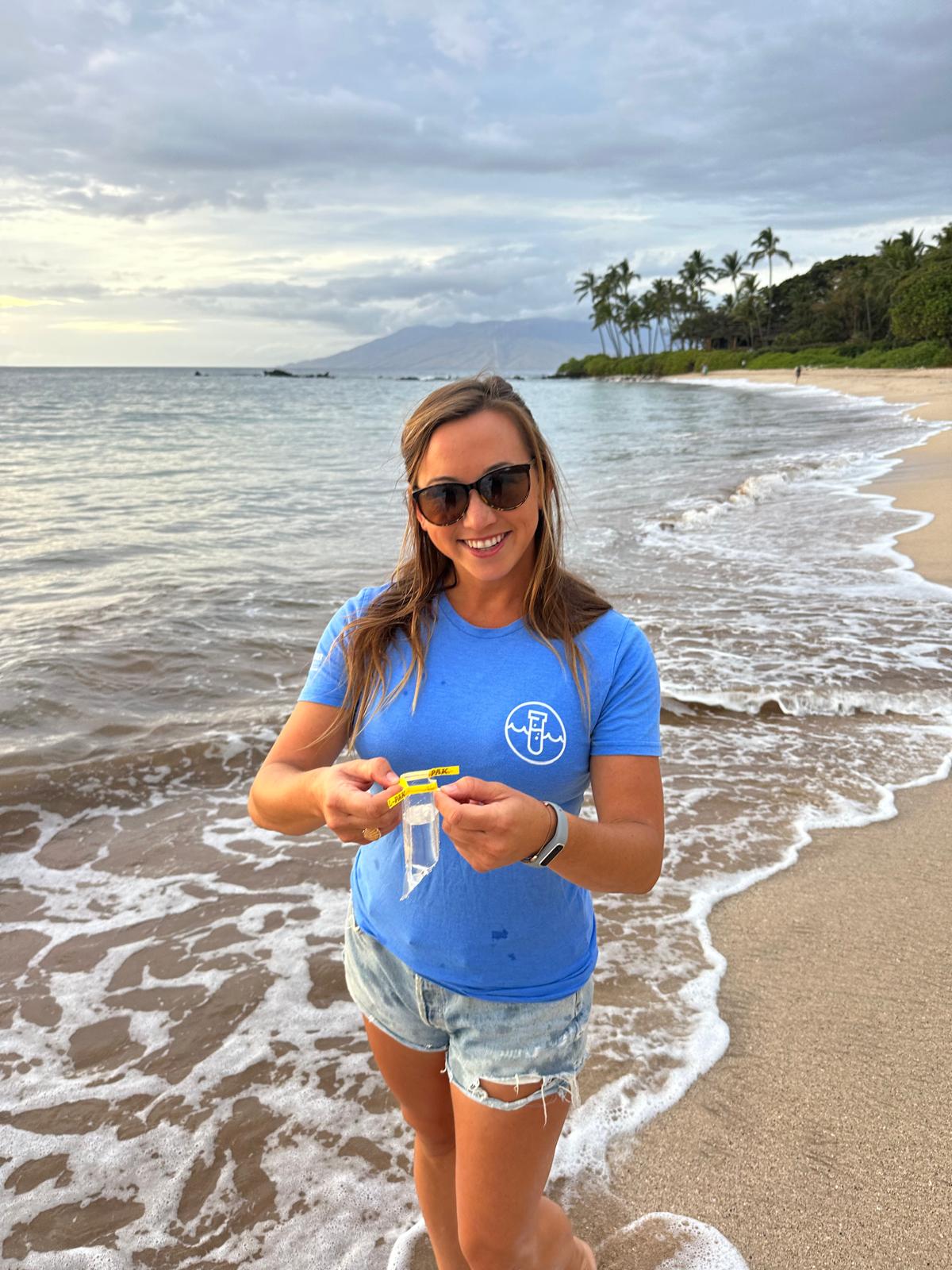
The Blue Water Task Force is Surfrider’s volunteer water quality monitoring program that provides critical water quality information to protect public health at the beach. Surfrider chapters use this program to raise awareness of local pollution problems and to bring together communities to implement solutions. Our Beach Cleanup team performs periodic debris removal and we partner with other organizations on dune restoration and Ocean Friendly Gardens.
The Surfrider Foundation is dedicated to the protection and enjoyment of the world’s ocean, waves, and beaches, for all people, through a powerful activist network.
Visit our website or reach out to VolunteerCoordinator@maui.surfrider.org to sign up for volunteer events.
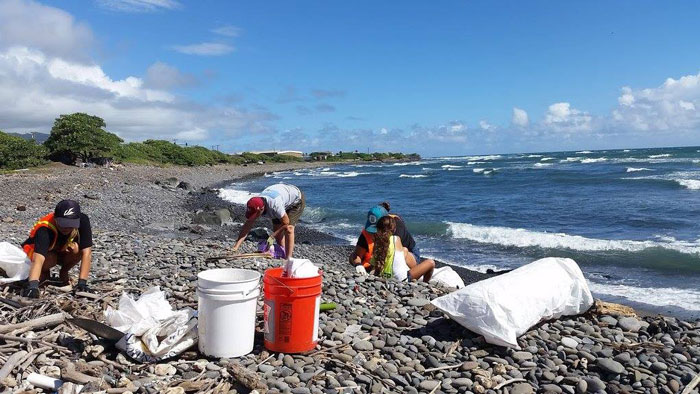
Mālama Maui Nui
Mālama Maui Nui helped to remove all the trash and abandoned vehicles from a County parcel mauka of Olowalu reef at milemarker 13.5 over an eight-month period.
Mālama Maui Nui is a 501(c)(3) nonprofit organization whose mission is to educate, inspire and empower residents and visitors alike to nurture the environment in support of Maui Nui's ecosystems, economy, quality of life and unique Hawaiian culture. We envision a community that exponentially multiplies its efforts by working together, ensuring Maui Nui’s future generations will be afforded the same opportunity to thrive in this safe, beautiful, and ecologically-rich environment.
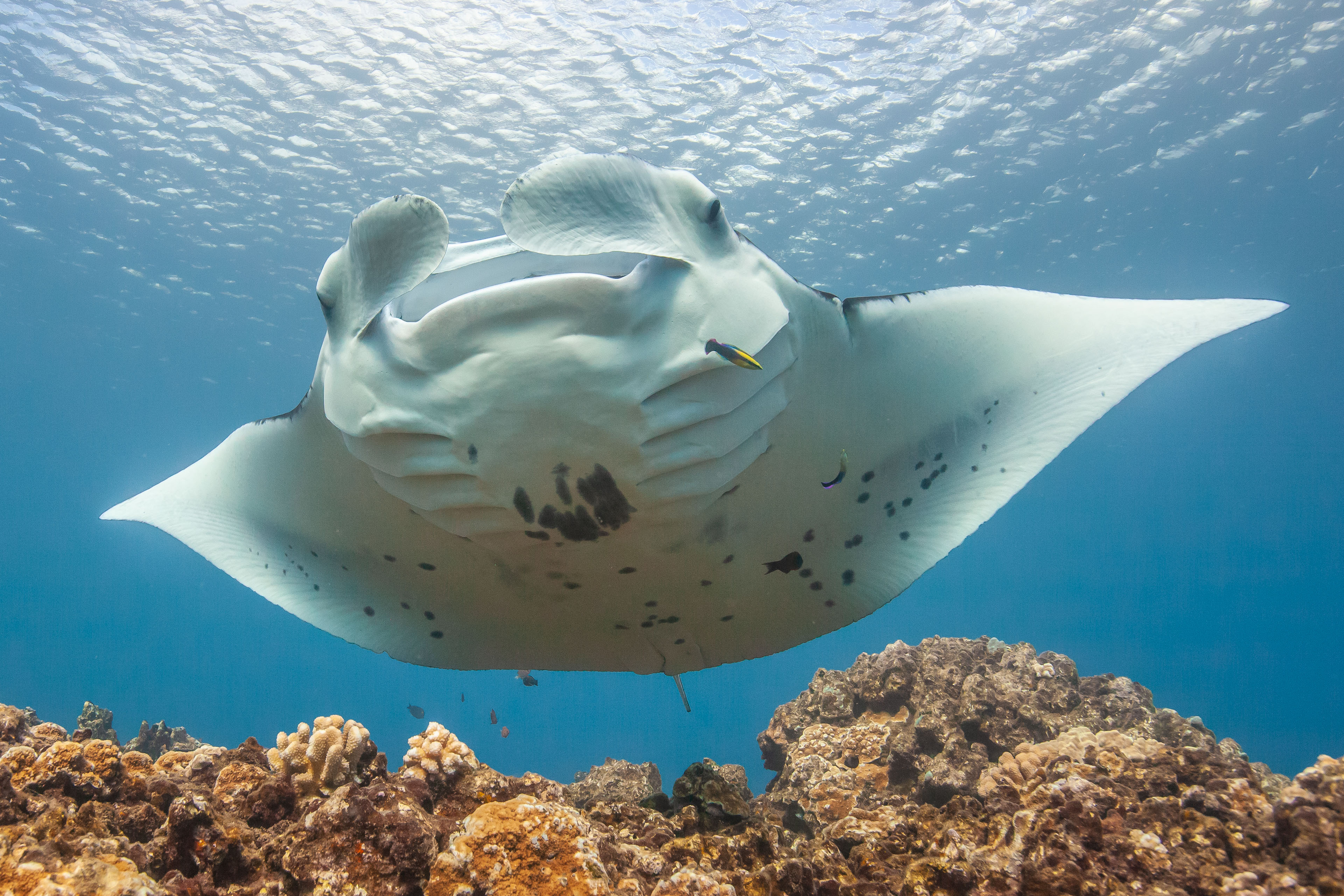
The Olowalu Manta Project
The Hawai'i Association for Marine Education and Research (HAMER) does marine work at Olowalu and Ukumehame, tracking manta ray populations and their prey field, with a focus on habitat threats such as water quality and sedimentation. HAMER also advocates for natural shorelines so natural beach and coastal processes can migrate landward, unimpeded by human infrastructure, to preserve healthy ecosystems.
HAMER's mission is to conduct sound research to better understand the health and status of our marine resources and how to better preserve them. We offer scientific expertise to carry out field research on marine animals including stock assessment research as well as other investigative research on the biology and behavior of marine animals and their habitat. We also offer training and education services about marine mammals, research methodology, conservation, and current research findings.
Visit our website at hamerinhawaii.org/contact to inquire about and sign up for volunteer opportunities.
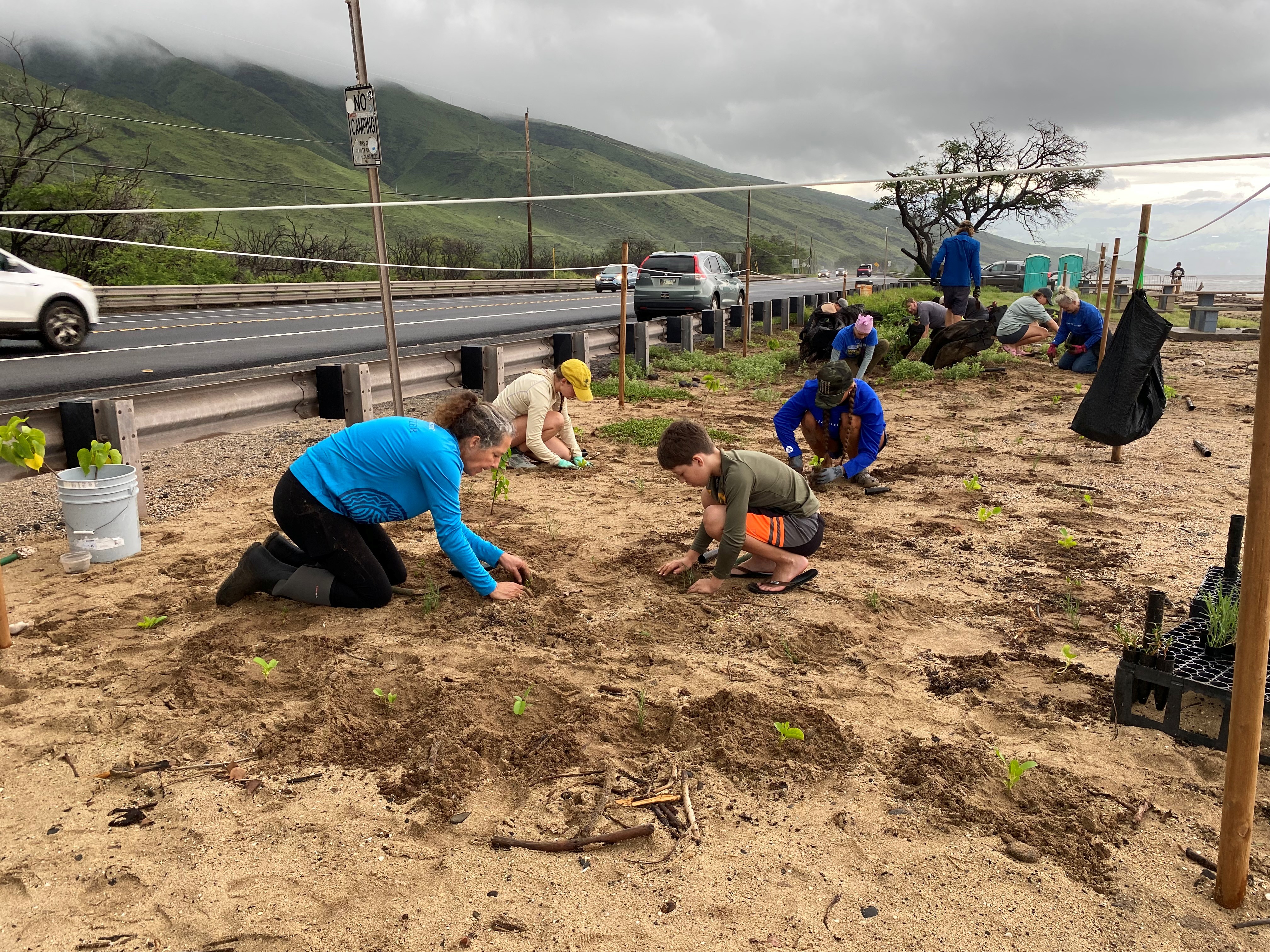
Ukumehame Living Shoreline Project
Olowalu and Ukumehame beaches are eroding rapidly with sea level rise. Hardening shorelines to protect Honoapiʻilani Highway has exacerbated the problem. Using native coastal plants is a more natural approach that can help trap sand, reduce wave impacts, protect the highway, and improve habitat for wildlife.
In March 2025, The Nature Conservancy partnered with UH Sea Grant and the County of Maui Dunes Restoration Program to replace invasive plants in two shoreline plots with native species, including pōhuehue, ākulikuli, ʻakiʻaki, and milo. This pilot project, formally called "Ukumehame Beach Park Pākoʻa Living Shoreline Demonstration Project", will help us evaluate how well these plants establish and stabilize the shoreline, especially during large surf events and King Tides. If successful, we hope to expand this “living shoreline” approach along more of the Ukumehame coastline.
Olowalu and Ukumehame have become busy destinations for surfing, snorkeling, whale-watching, and other recreational activities. To avoid overuse of the area, a balance must be struck between recreating in this place while protecting and respecting cultural and natural systems, which are already vulnerable.
The Pilina Olowalu website was designed collaboratively by partners The Nature Conservancy, Coral Reef Alliance, Kipuka Olowalu, and Pacific Whale Foundation. This centralized information hub was made possible by the Department of Land and Natural Resources – Division of Forestry and Wildlife (DLNR-DOFAW) in support of mauka-makai efforts to build the resilience of reefs, fisheries, and communities in West Maui.
Learn more

About the Area
Learn more about threats and hazards, history, natural features, and recreational and human use of the Olowalu-Ukumehame area.

Resources + Data Hub
Get links to reports, studies, videos, and files that provide additional and relevant supplementary information.

Who We Are
Learn more about Pilina Olowalu, including our guiding principles, goals and objectives.